
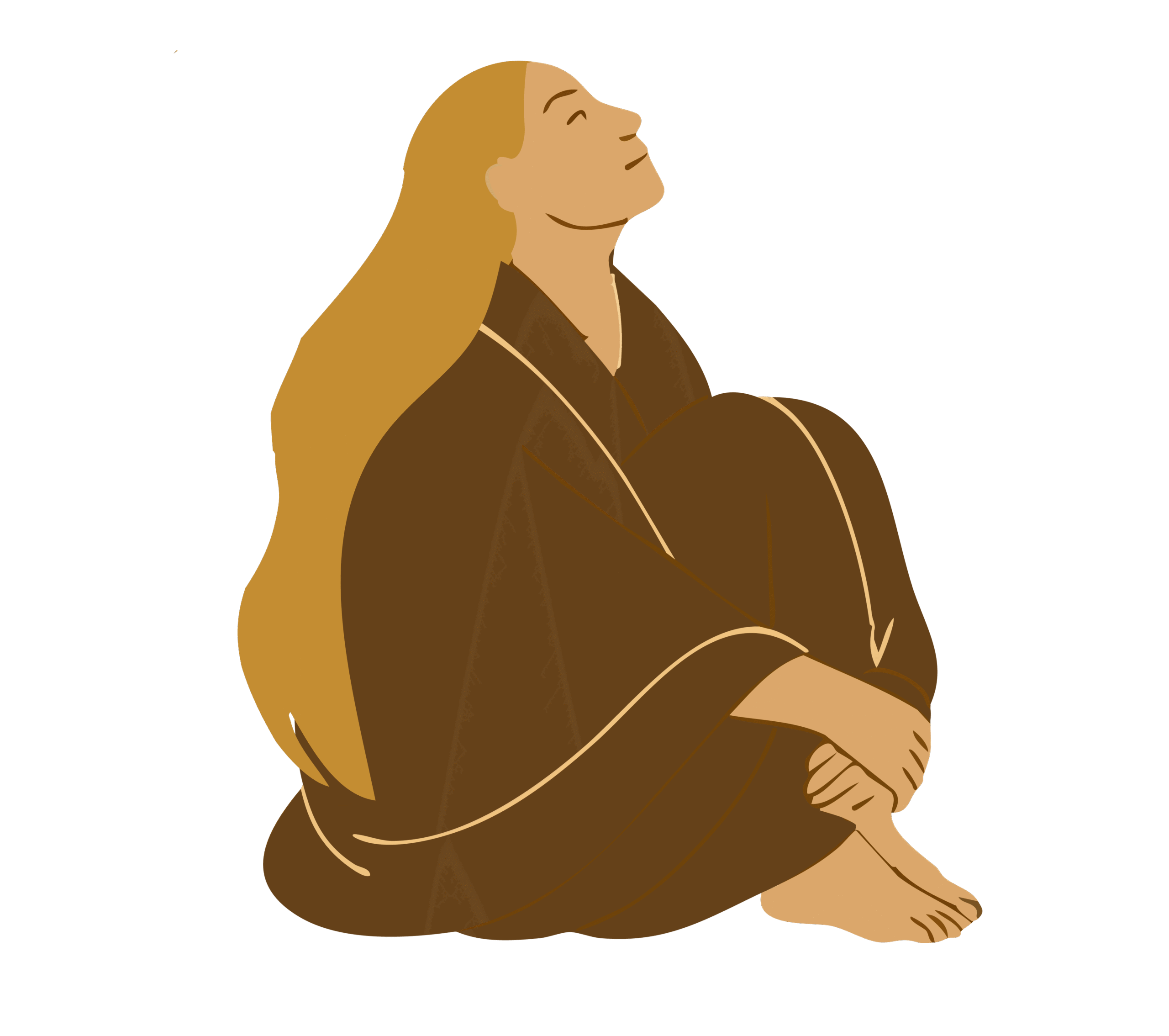
Most people try to change their lives from the neck up
They gather insight.
They change beliefs.
They reframe the past.
They promise themselves they will respond differently next time.
And sometimes it works. For a while.
Then life happens.
A difficult conversation.
A romantic trigger.
A moment of rejection.
An unexpected responsibility.
And the body reacts before the mind can intervene.
This is where people begin to doubt themselves.
“I thought I had healed.”
“I understand this pattern.”
“Why am I still reacting?”
Because transformation is not primarily cognitive.
It is physiological.
And physiology does not shift through insight alone.
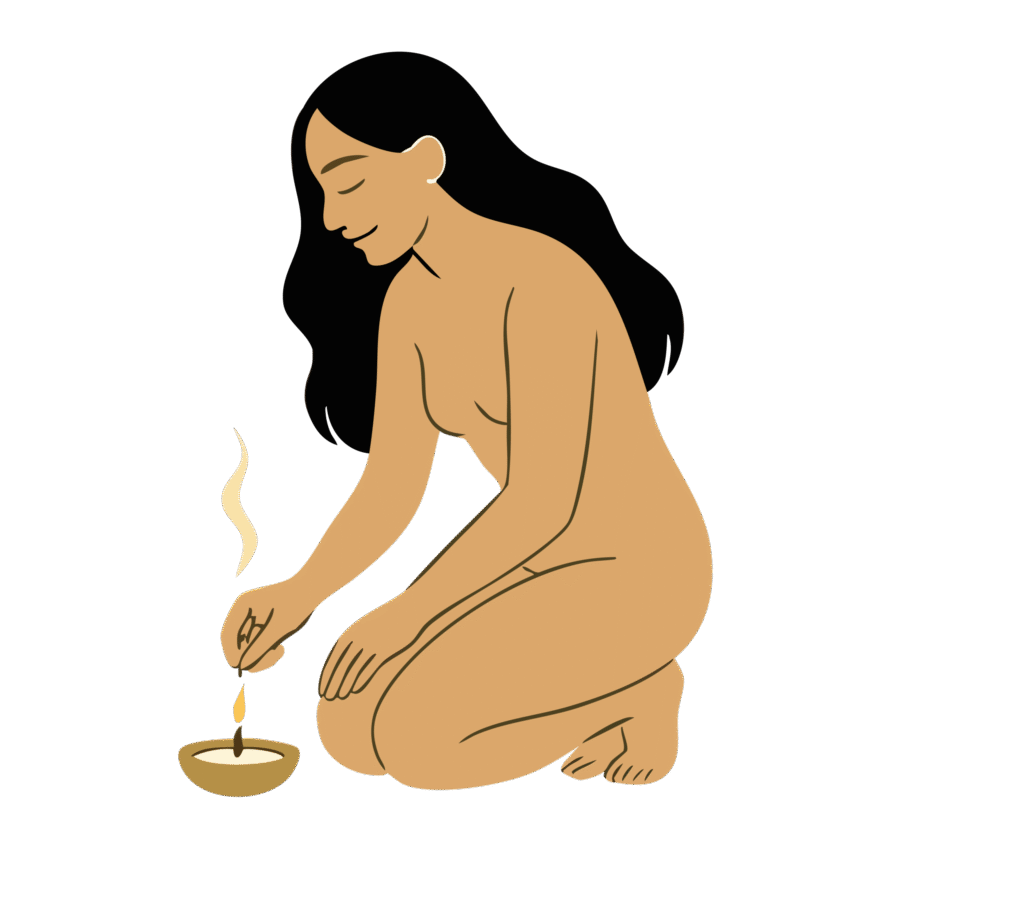
Insight lives in the mind
Change lives in the nervous system
Insight is powerful.
It helps you name the wound.
Understand the attachment style.
Recognize the survival pattern.
See the family dynamic clearly.
But insight does not automatically reorganize your nervous system.
Your nervous system is not convinced by language.
It is convinced by experience.
If your body learned early that conflict equals danger, it will mobilize when voices rise.
If your body learned that closeness leads to loss, it will brace in intimacy.
If your body learned that love requires performance, it will tense before asking for anything.
You can understand all of this and still feel it happening.
Because the body does not speak in explanations.
It speaks in states.
The body is the archive
Your body remembers what your mind has forgotten.
It remembers:
The atmosphere in the room.
The unpredictability.
The emotional silence.
The moments you swallowed your needs.
These memories are not stored as stories.
They are stored as muscle tone.
As breathing patterns.
As readiness.
As collapse.
When something in the present resembles the past, your nervous system reacts before thought arrives.
This is not irrational.
It is adaptive.
Transformation happens when the body learns that the present is different from the past.
That learning cannot be forced through mindset.
It must be experienced through sensation.
Regulation is the foundation of real change

The nervous system has different states:
Mobilized and ready.
Shut down and withdrawn.
Open and connected.
Many people try to transform while dysregulated.
They try to build boundaries from a place of fear.
They try to access intimacy from a place of collapse.
They try to pursue purpose while chronically braced.
Without regulation, insight cannot land.
When the nervous system feels safe enough, something shifts.
Breath deepens.
Vision softens.
Voice steadies.
Emotion becomes tolerable instead of overwhelming.
From this state, change becomes possible.
Not dramatic.
Not performative.
But real.
The culture of personal growth often glorifies intensity.
The breakthrough.
The revelation.
The identity shift.
But intensity is not integration.
The nervous system integrates at the speed of safety.
If change happens too quickly, without enough support, the body contracts again.
Pacing means:
Feeling activation without tipping into overwhelm.
Staying with sensation without dissociating.
Allowing insight to move through the muscles and breath.
Transformation that lasts is transformation the body can digest.
This is why repetition matters.
Not because you are failing.
But because your nervous system needs consistency to trust what is new.
Most people think identity is a narrative.
“I am anxious.”
“I am avoidant.”
“I am too much.”
“I am not enough.”
But identity is also a pattern of embodied responses.
If you brace in conflict, you experience yourself as fragile.
If you collapse in intimacy, you experience yourself as distant.
If you overperform in responsibility, you experience yourself as indispensable but alone.
When the body responds differently in the same situation, identity reorganizes.
You do not think yourself into a new self.
You practice yourself into one.
The Sensual Hero’s Journey begins in sensation
The Sensual Hero’s Journey is built on one premise:
Transformation must register in the body.
Not as drama.
Not as spiritual fireworks.
But as subtle shifts:
The jaw unclenching.
The chest softening.
The pelvis warming.
The voice sounding more grounded.
Sensual here does not mean provocative.
It means sensory.
You move through the journey by feeling.
Each of the nine destinations in the I AWAKE series meets a specific threshold in the body:
Where you once tightened.
Where you once disappeared.
Where you once overextended.
Instead of analyzing from a distance, you enter those places through guided, embodied exploration.
Through breath.
Through pacing.
Through nervous system awareness.
Transformation becomes lived, not imagined.
Mindset can initiate change.
It can inspire you.
Clarify direction.
Help you see possibility.
But if your nervous system still perceives threat where none exists, your reactions will override your intentions.
This is not weakness.
It is biology.
The autonomic nervous system prioritizes survival over strategy.
Until the body experiences enough safety in real time, it will default to what it knows.
That is why true transformation is not about replacing negative thoughts with positive ones.
It is about expanding your capacity to stay present.

Practice and integration in everyday life
Breakthroughs are invitations.
Integration is how you accept them.
Transformation becomes stable when you:
Stay in a difficult conversation without shutting down.
Set a boundary and tolerate the discomfort.
Let pleasure last longer than a few seconds.
Rest without compensating later.
These small repetitions teach the nervous system something new.
This is the territory explored deeply in the later stages of the journey, especially in the work of integration and coherence.
Because change is not proven in insight.
It is proven in repetition.
You do not need to become someone new.
You need to feel safe enough to be who you already are.
The body is not an obstacle to growth.
It is the doorway.
When the nervous system shifts from survival into connection, your choices change.
Your boundaries change.
Your relationships change.
Your access to pleasure changes.
Your sense of self changes.
Not because you forced it.
Because your body finally trusted the present.
Transformation is not a mindset upgrade.
It is a bodily journey.
And your body has been waiting for you to include it.