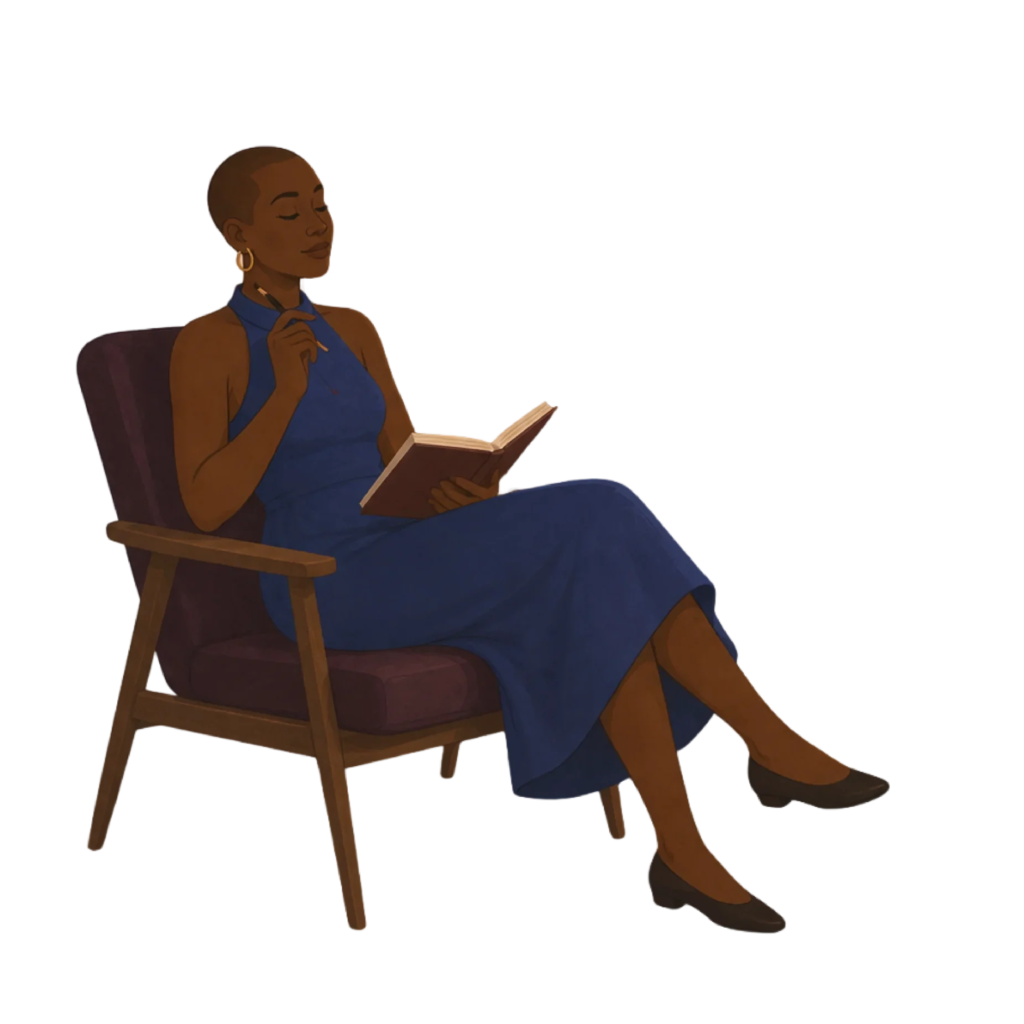
A message goes unanswered. The silence feels like rejection. Before another fact has arrived, the absence of a reply can become a conclusion about the relationship or the person waiting. Reality Revealed begins with the difference between those experiences: what happened, what was felt and the meaning given to it.
Reality Revealed: The Reality Literacy Deck is a 78-card deck and illustrated companion book created by Camilla Wellton within The Hidden Hero’s Journey™, part of her I AWAKE universe of books and guided practices. Its images give readers a way to examine how an account of a situation takes shape. Recognition is a beginning: what does the picture help the reader notice, how does that relate to the actual occasion, and what might the interpretation have left out?
Wellton calls this inquiry Reality Literacy. It means staying in contact with experience while examining the processes that give it meaning. A feeling can be real while the explanation attached to it still needs information. The deck keeps both available for consideration, rather than asking the reader to dismiss the feeling or accept its first conclusion.
The deck is organised into three layers: nine Circle cards, six realms of nine cards each, and fifteen Beings in three families. The distinction gives a reading several kinds of question, rather than seventy-eight interchangeable messages.
Circle concerns the conditions of the inquiry. Its cards address pausing, consent, pacing, uncertainty, revision and closure. A question about whether to act can begin with whether the person has enough information, needs time or is ready to finish the exploration.
The six realms locate the experience. House concerns identity and the relationships through which a person recognises themselves. Sky concerns perception, expectation and uncertainty. Garden gives emotional life a landscape in which several feelings and needs can coexist. Forest concerns instinct and inner patterns, including responses that become noticeable before they can be put into words. Ocean places individual experience within culture and inheritance. Space examines awareness and how separate experiences are connected into meaning.

The fifteen Beings give human functions and patterns a face. Threshold Keepers appear around crossings and endings. Inner Companions personify strategies, needs and forms of aliveness. Mythic Messengers enlarge a pattern so that its attraction, difficulty and contradictions can be examined together. A personified protector, for example, lets the reader ask what a response seems to be protecting without making it the whole of who they are.
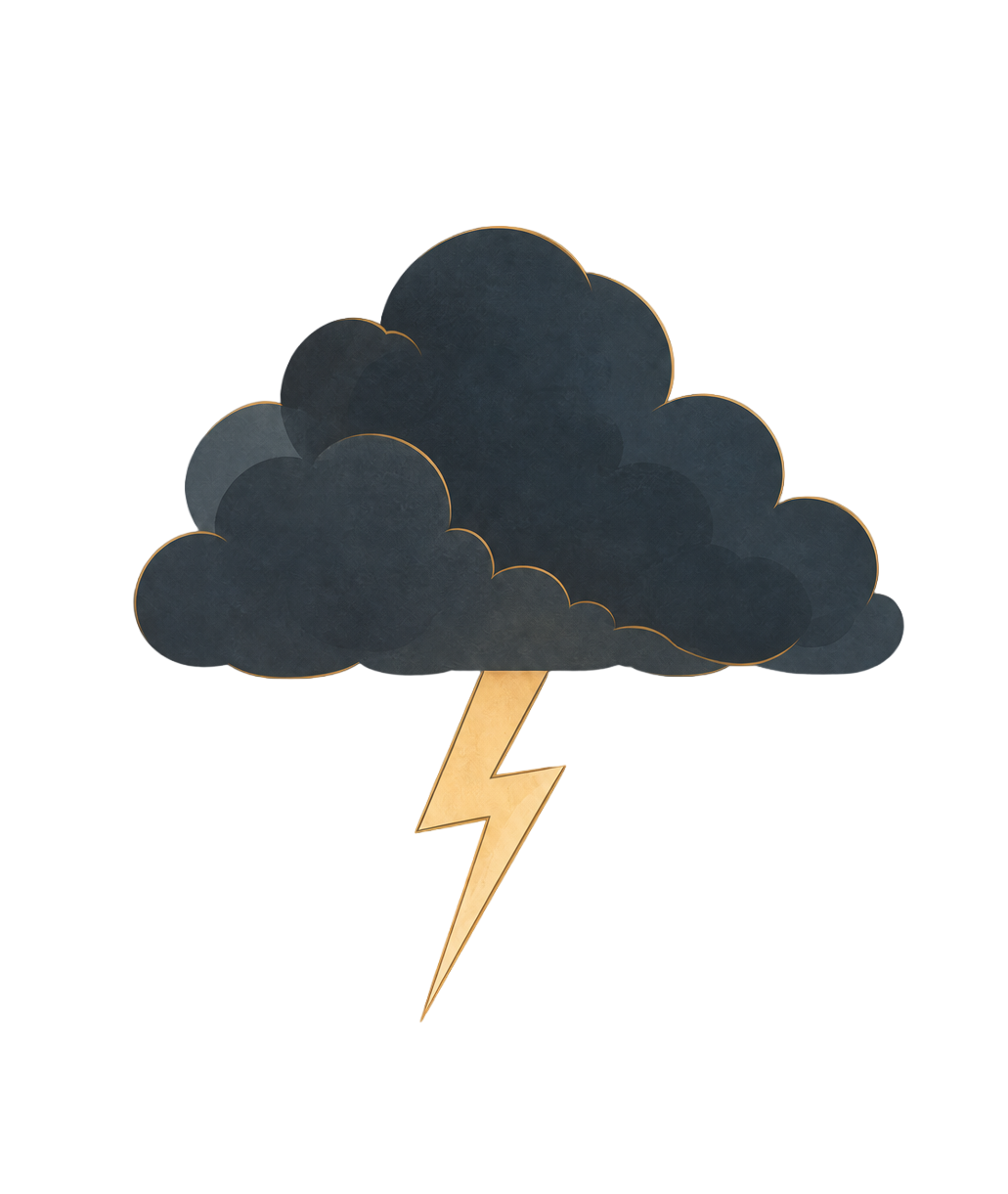
These images make relationships visible. A house offers rooms, thresholds and boundaries through which identity can be considered in more detail than a single label allows. Weather gives a form to changing conditions of perception. A garden lets the reader consider what is growing, what is crowded out and what needs a different kind of care. Their usefulness depends on the question and occasion, not a permanent type assigned to the reader.
The companion book develops the images through descriptions, distinctions, examples and questions. It gives an association somewhere to go. The reader can notice what an image brings to mind, then compare that response with the card’s particular inquiry and the situation they brought.
The reading methods make that relationship explicit. With one card, the reader considers the image, returns to the situation and asks where it fits and where it doesn't. A reading ends with a proportionate consequence: an action, a question, information to gather or something to leave open for now.
Two cards introduce a relationship between inquiries. One may qualify or complicate the other rather than provide its solution. A three-card reading can combine Circle, realm and Being: the condition of the inquiry, the territory being explored and the function or pattern being met. That structure is available when useful; the book also allows a precise question to stay with one card.
The procedure makes the reader a participant in interpretation. A connection between pictures is something to consider, not a substitute for the information the situation still needs. Writing down what became clearer and what remains unknown gives the reading a point of return outside the images.
Consider a person who has sent an important message and received no answer. They feel hurt and begin wondering whether they have made a mistake. They know the message was sent and that no reply has arrived. The reason for the silence is still unknown.
The Fog Bank, a card in Sky, concerns partial information and the temptation to complete the scene. Applied to this imagined situation, its question becomes concrete: where does the known event end and the explanation begin? Rejection, delay and distraction are possible accounts, but listing them doesn't establish which is true.
The person can ask what information would change their next decision. If a practical arrangement depends on the reply, they might send a clear question or name when an answer is needed. If they are considering a wider relationship pattern, they can look at what supports that account beyond this one event. The feeling remains part of the inquiry while the conclusion acquires a more specific basis.
The same question may lead to a different action on another occasion. New information might be reassuring or difficult. The purpose is to meet more of the situation, rather than obtain the most agreeable explanation.
The companion book includes a comparison for readers who already use tarot, with particular attention to Thoth. It asks them to learn Reality Revealed’s own organisation before importing meanings from another system. A recognisable figure or the shared count of seventy-eight cards doesn't establish a card-by-card equivalence.
The practical comparison begins with the reader’s question. Is it about how to approach an encounter, where a pattern is operating or what response needs attention? Circle, realm and Being give those questions different places. Readers can compare what each deck’s own guide asks them to consider and keep their personal associations distinguishable from those explanations.

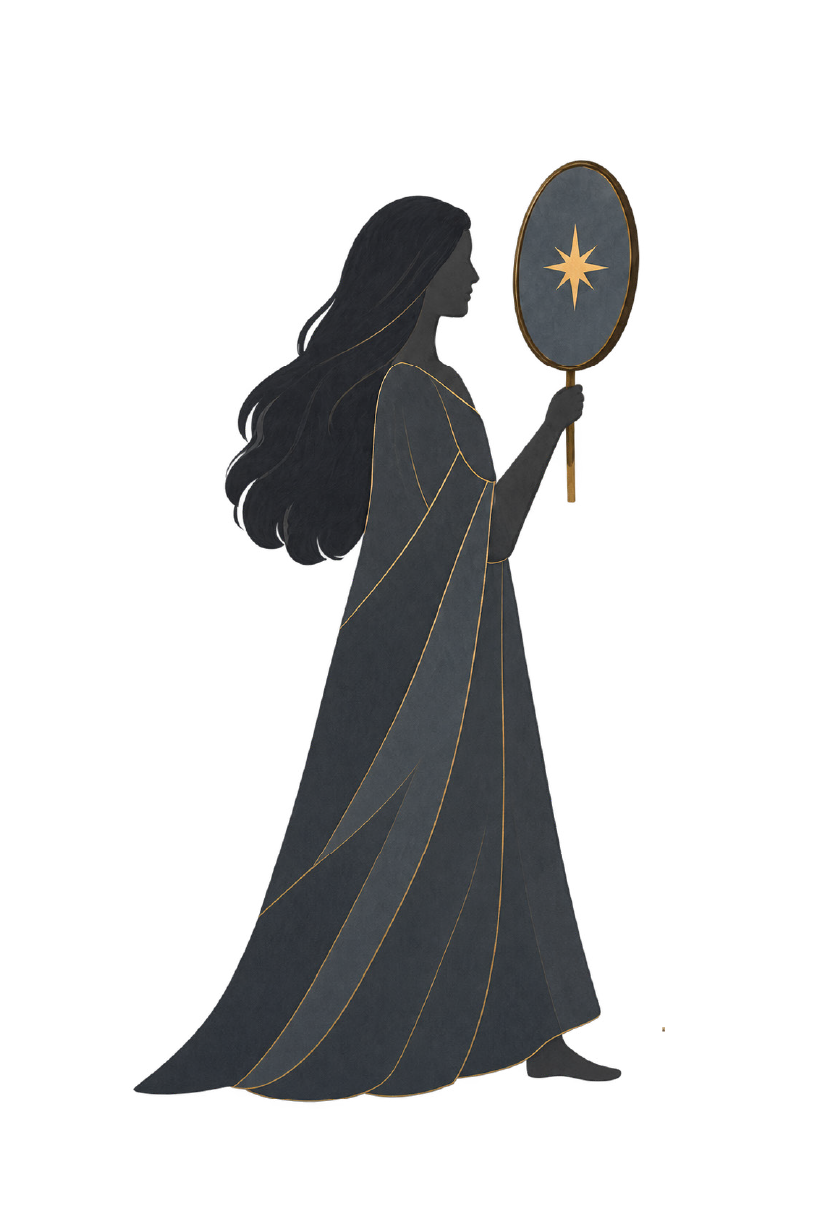
The Mirror Holder, for example, can bring attention to how another person’s response became a conclusion about oneself. A resemblance to another deck’s figure doesn't require that figure’s meaning to be imported. The comparison concerns structure and interpretation, allowing experience with one system to inform a reading without deciding in advance what the other must say.
An affirmation can offer encouragement. Reality Revealed develops a different task: describe an experience, examine its interpretation and consider what follows from the distinction. The result may be a more complicated understanding rather than a more positive statement.
A boundary image, for example, can open questions about what a limit protects, whether it is chosen, what it costs and how it relates to other people. It doesn't supply a universal instruction to close a relationship or become more assertive. The particular circumstances remain part of the answer.

A card is also allowed not to fit. The book asks readers to acknowledge a mismatch rather than search for a hidden experience that would make the draw seem correct. When an image fits very easily, the next question is what it cannot establish. Those two possibilities make the interpretive method inspectable: the reader can examine the association itself, including where it stops being useful.
For a feature or interview, the substantive subject is this relationship between symbolic imagination and the responsibility to check an account. How does a picture change the question? What does the accompanying text add? When should a reader seek information from another person instead of drawing another card? The deck can be discussed through its actual materials and methods without turning a description of its design into a claim of proven outcomes.
The Reality Revealed book-and-deck offerings are planned for 1 December 2026. Current listings pair either a printed companion book or an EPUB companion book with the physical deck and course. That date does not announce the separate app’s launch.
The physical cards and companion book provide the authored images, distinctions and reading methods. The separate iOS app is designed to carry an encounter with that material forward: a reader can draw cards, consider descriptions and AI-assisted interpretation, and retain a reading in a journal to revisit as the situation changes. Its beta status and access arrangements are separate from the book-and-deck publication date.
The reading and journal functions connect a configuration of cards with material that can be saved and revisited. The practical difference is between an interpretation that passes across a screen and one the person can consider again after life has contributed more information.
Imagine someone returning to a reading associated with a difficult conversation. At first, they understood the other person’s silence as disapproval. Later, the person explains what had been happening. The saved reading lets its reader notice which part of the original account was observed and which was assumed.
The journal gives the person a point of comparison over time. They can return to what the reading suggested, what they understood then and what they now think deserves another look. They may agree with part of the interpretation, reject another part or find that the original question needs changing.
That return differs from simply requesting more text. A new response may introduce another possibility. Revisiting an existing response asks what happened to the previous possibility when it met the person’s actual circumstances. The design makes room for that continuing consideration rather than making every encounter begin with a new answer.
AI-assisted interpretation proposes connections between the selected cards. Its contribution is language the person can examine: a possible relationship between images, a distinction to consider or a question that could make the inquiry more specific.
The authored deck and a generated interpretation have different roles. The deck supplies the visual vocabulary and card descriptions. The generated text proposes a way to read a selection together. The person still brings the situation, its facts and the judgment about whether the connection is useful.
This division matters when a response sounds articulate or personally resonant. A persuasive account may still rest on an assumption. The reader can ask which part belongs to the card description, which part is a proposed connection and what information would be needed before acting on it. The interpretation cannot supply another person’s motives, settle a diagnosis or predict an event.
For reporting, this gives the AI feature a more precise subject than automated advice. How does generated language relate to authored material? Can a reader distinguish a suggestion from a factual account? What happens when a saved interpretation is reconsidered after an actual conversation? Those questions concern the relationship between the tool and the person using it, not just the fluency of the response.
The standalone phone implementation separates local functions from new AI interpretation. Catalogue information and journal material are stored locally; generating a new interpretation uses an online service. Returning to material already retained and requesting a new generated response are therefore different actions with different connection requirements.

That distinction explains the intended digital experience more accurately than calling the entire app offline or treating it as a remote chat window. An authored card description, a saved reading and a newly generated interpretation each contribute something different. Their requirements need to remain clear to the person deciding what to do next.
The purpose is continuity on the phone: being able to return to a card or retained reading, while recognising when a new interpretation needs a connection. The public beta page remains the source for current availability.
The planned personalisation features include favourite cards, still wallpapers and widget configurations. Their shared purpose is to offer a way back to an image without requiring a fresh draw. A chosen card can remain a visual reminder while the question associated with it continues in ordinary life.
The widget design supports a daily catalogue card, a favourite or the latest draw. It uses card artwork, titles and identifiers rather than the journal’s written contents. A daily card is an invitation to explore an image, not a newly generated personal reading or a prediction about the day.

The widget and wallpaper options are intended to extend the relationship with the artwork beyond the drawing screen. Their particular availability belongs with the app’s current beta information, while the design question remains the same: how can an image be kept close without turning every return to it into a demand for another answer?
The physical deck and the app offer related ways to engage with the same work. Physical cards can be handled and arranged without a device. The app’s design connects the images with descriptions, generated interpretation and a record that can be revisited. The choice concerns how a person wants to encounter and continue with the material; the medium doesn't make an interpretation more reliable.
A substantive demonstration can follow that whole sequence: encounter the artwork, read its description, consider an interpretation and return to the retained material. The useful questions concern whether each step keeps its purpose clear and whether returning preserves enough context to examine an earlier understanding. The combination describes the product’s design, without treating it as evidence of a psychological outcome.
For the current public app status and the opportunity to register interest in the iOS beta, visit the beta page.
For interviews, factual enquiries, press images or review-copy requests, contact Camilla Wellton. Include your publication, the subject you are covering and any deadline so that your request can be directed to the relevant material.

I AWAKE is created by Camilla Wellton. Its parent company is Swedish Institute of Inner Technology AB. Explore the universe and the parent company’s work through their respective websites.
The Hidden journey explains the symbolic landscapes around this work. The media library offers separate background documents for the deck and app, while the release archive holds dated announcements.
Welcome to the I AWAKE universe. I'm Dawn and I'm your personal concierge. Ask me anything and I'll do my best to guide you in this space.