Recognise the arrangement
Explore how descriptions and reflections become a familiar sense of self.
Identity & self-recognition


Some parts of yourself feel like home. Others seem to live behind a closed door. How did that arrangement come to feel like you?
The Hidden Hero’s Journey™ explores your inner geography. In identity, we begin with the connections and boundaries through which you recognise yourself, then ask where you can help reshape them.

A house gives different things somewhere to belong. It has places you share, places you keep private, doors you open without thinking and rooms you rarely enter.
Your sense of self has an arrangement too. Certain wishes fit easily. Others seem out of place. One person’s opinion can carry through every room, while something you know about yourself barely gets heard.
We call this landscape House because its rooms help you see those relationships. Once the arrangement becomes visible, you can begin asking what still fits and what could be made more liveable.
Think of a description you often use about yourself. Where did it come from? Whose response seems to confirm it? What do you notice, and what do you leave outside, to keep it true?
The Mirror Room gives a place to the reflections through which you meet yourself. The Library holds the stories that connect your experiences into “me”. Together, they help you notice how another person’s response can become a sentence you repeat for years.
You can add what the sentence has missed. You can listen to useful feedback without handing it the keys to the whole house.
The World Within the World is the planned deep dive into this inner architecture. Its nine-chapter direction follows the relationships between self-image, memory, privacy, belonging and the structures of a life.
Poetry and story let you inhabit the rooms. Reflection and practical exploration help you consider how they connect, and where you would like to take part in changing the plan.
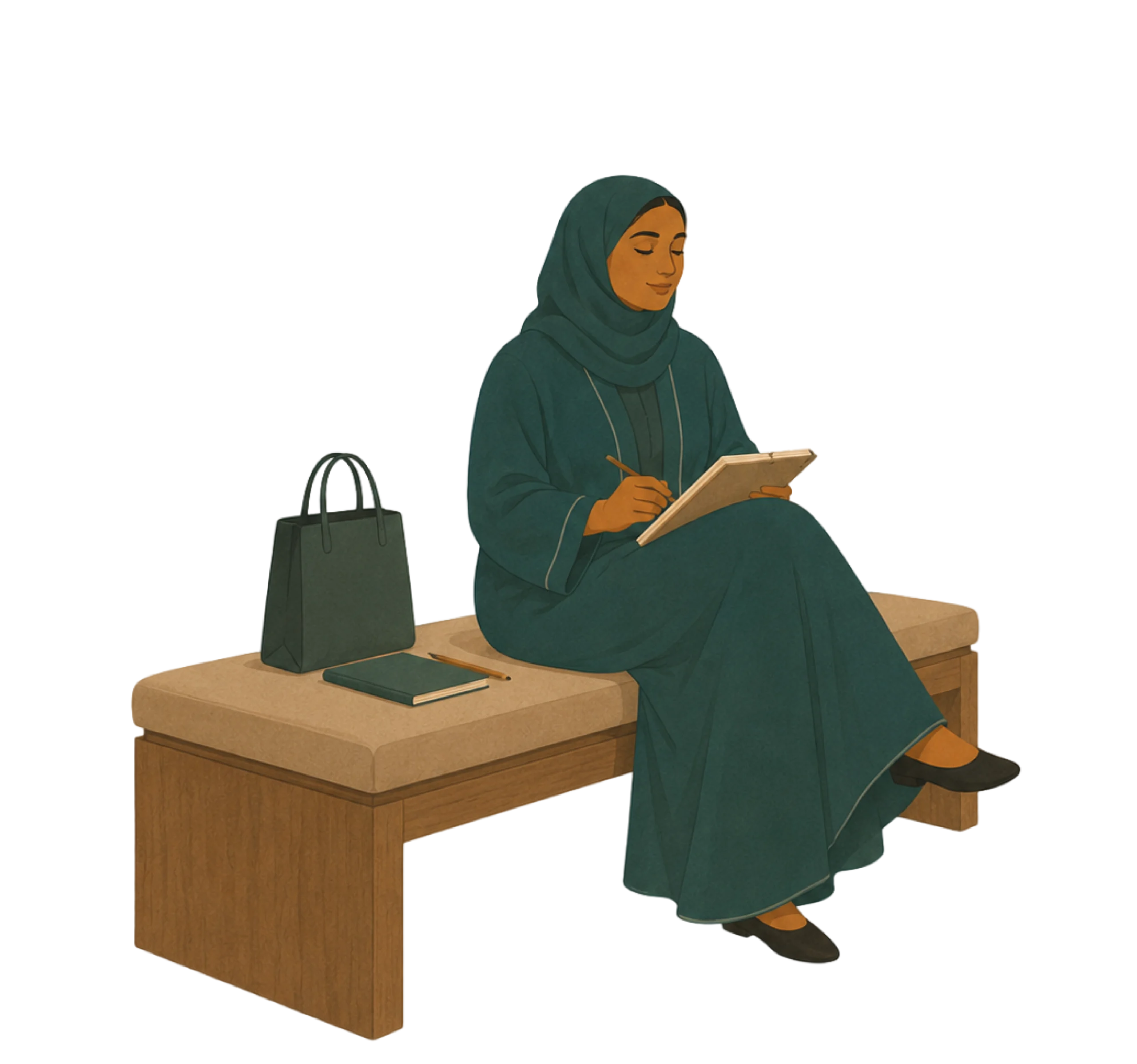
Much of this house took shape before you could choose. Relationships, culture, bodies and circumstances all helped build it. Some arrangements still protect something precious.
Becoming aware of the map gives you a different kind of participation. You can examine a boundary, revise a self-description or find support for a change. The people and conditions around you remain part of what is possible.
Hello darling. There may be rooms here you have never had time to know. You can begin with a door that interests you.
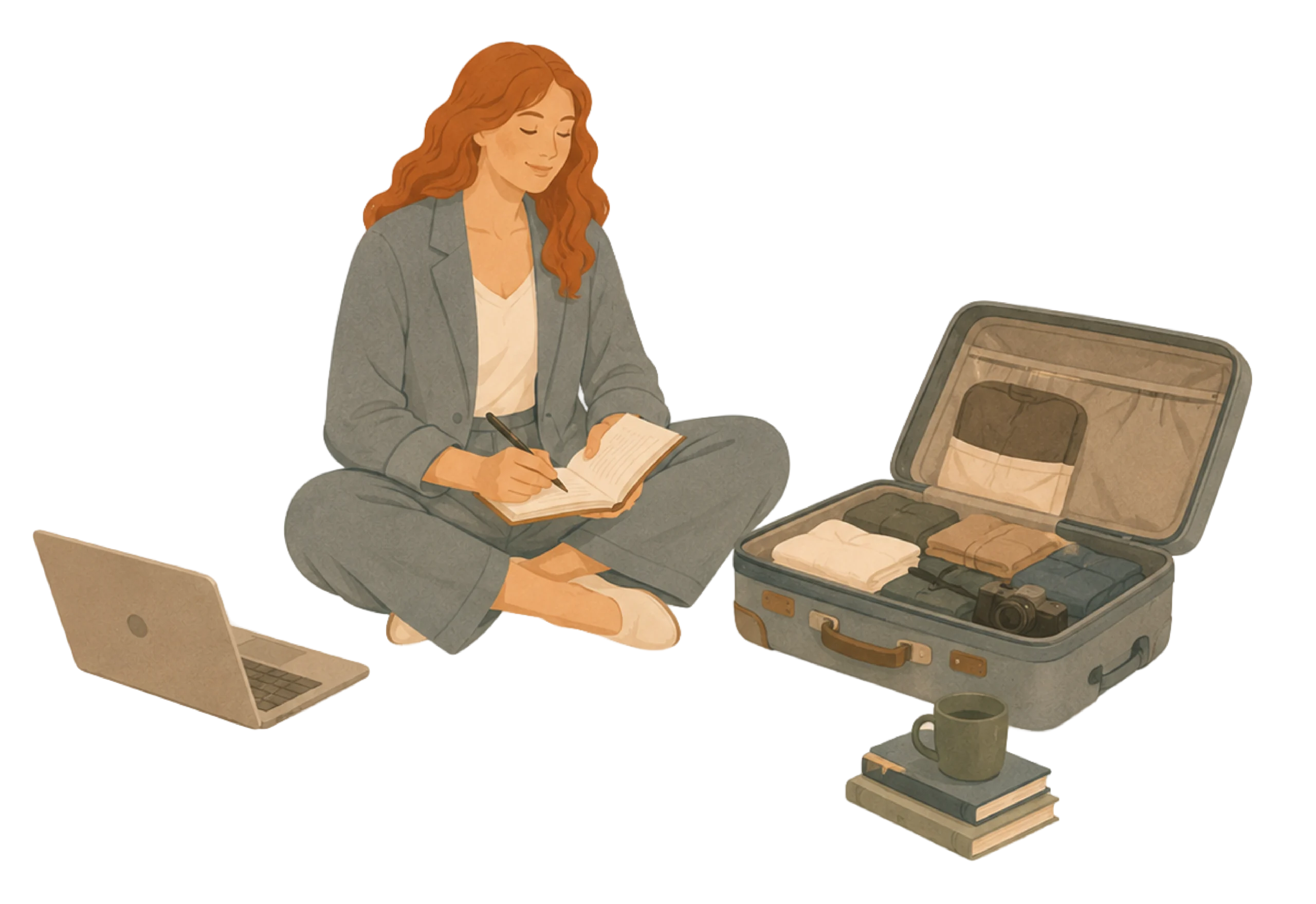
Choose a familiar sentence about yourself that you would like to understand better. Describe a recent moment when it seemed true in your journal or notes. What happened? What did you do, feel or want?
Now write the sentence in the centre of a page. Around it, note what helps it stay convincing: a memory, someone’s response, a repeated choice, perhaps a rule about what you are allowed to need. Draw connections where you can see them. Words alone work too.
Look for something your map has left outside. An occasion when you were different. A wish that does not fit. Feedback you have struggled to hear. Give that a place as well.
What would you like to redraw? Perhaps the sentence needs to become less absolute. Perhaps a boundary or an agreement needs attention. Write one possible change and what support or information it would need.
You can leave the map unfinished. Close your notes and look around. If you try a change later, return to record what actually happened. Let experience help you revise the drawing.

To shape your inner world more consciously, you first need to recognise its familiar arrangements. These capacities help you explore your self-image, notice what it leaves out and consider where your own judgement can change what comes next.
Explore how descriptions and reflections become a familiar sense of self.
Identity & self-recognitionConsider where your judgement, choices and practical support can help a different arrangement become possible.
Self-trust & agencyNotice experiences that complicate your usual story and give them a place in the picture.
Shadow & hidden patternsYou have changed your mind about who you want to be. Does your week know yet?
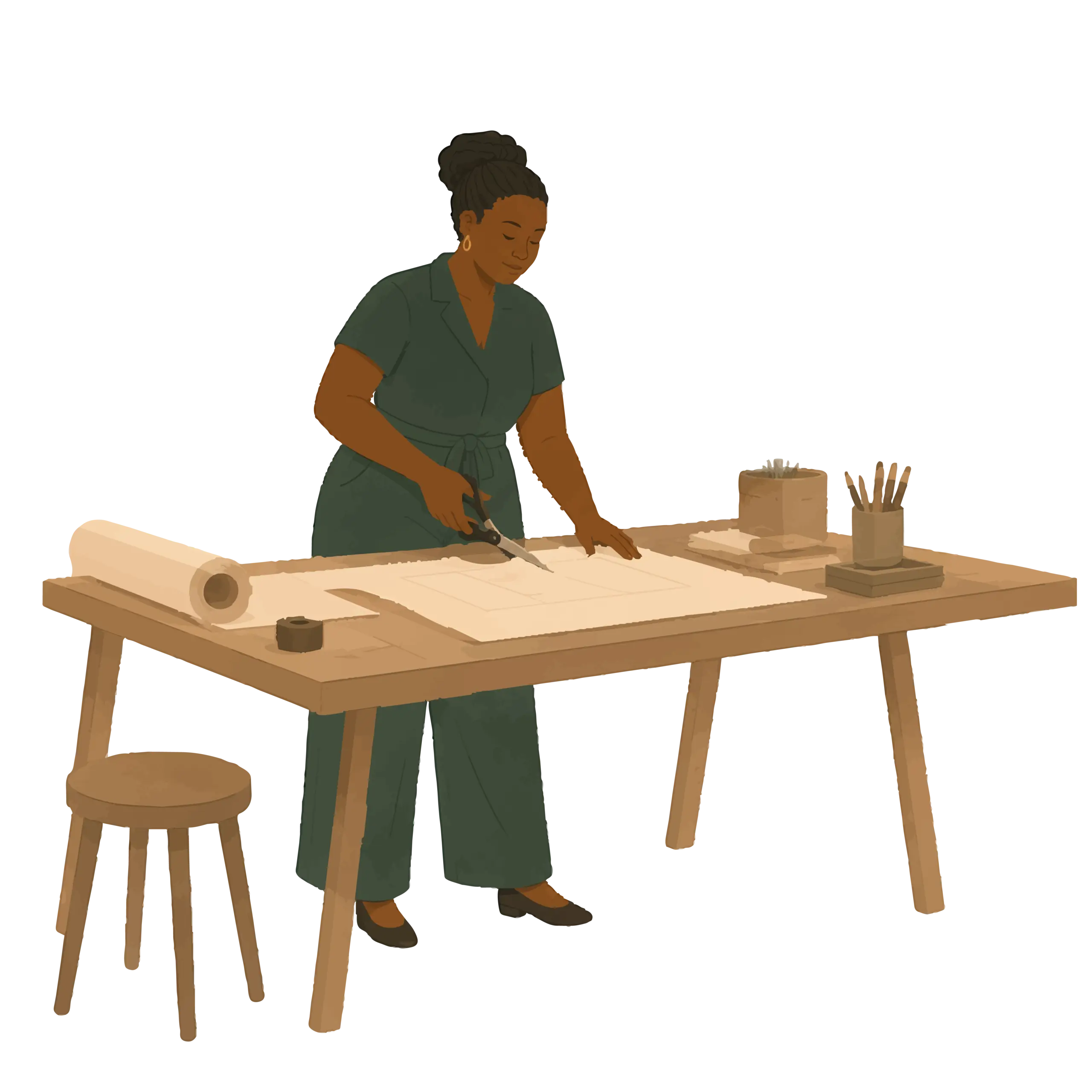
The Architect’s Room brings the inner map into contact with schedules, agreements and other people. A private discovery may need a different arrangement of time before it has anywhere to live.
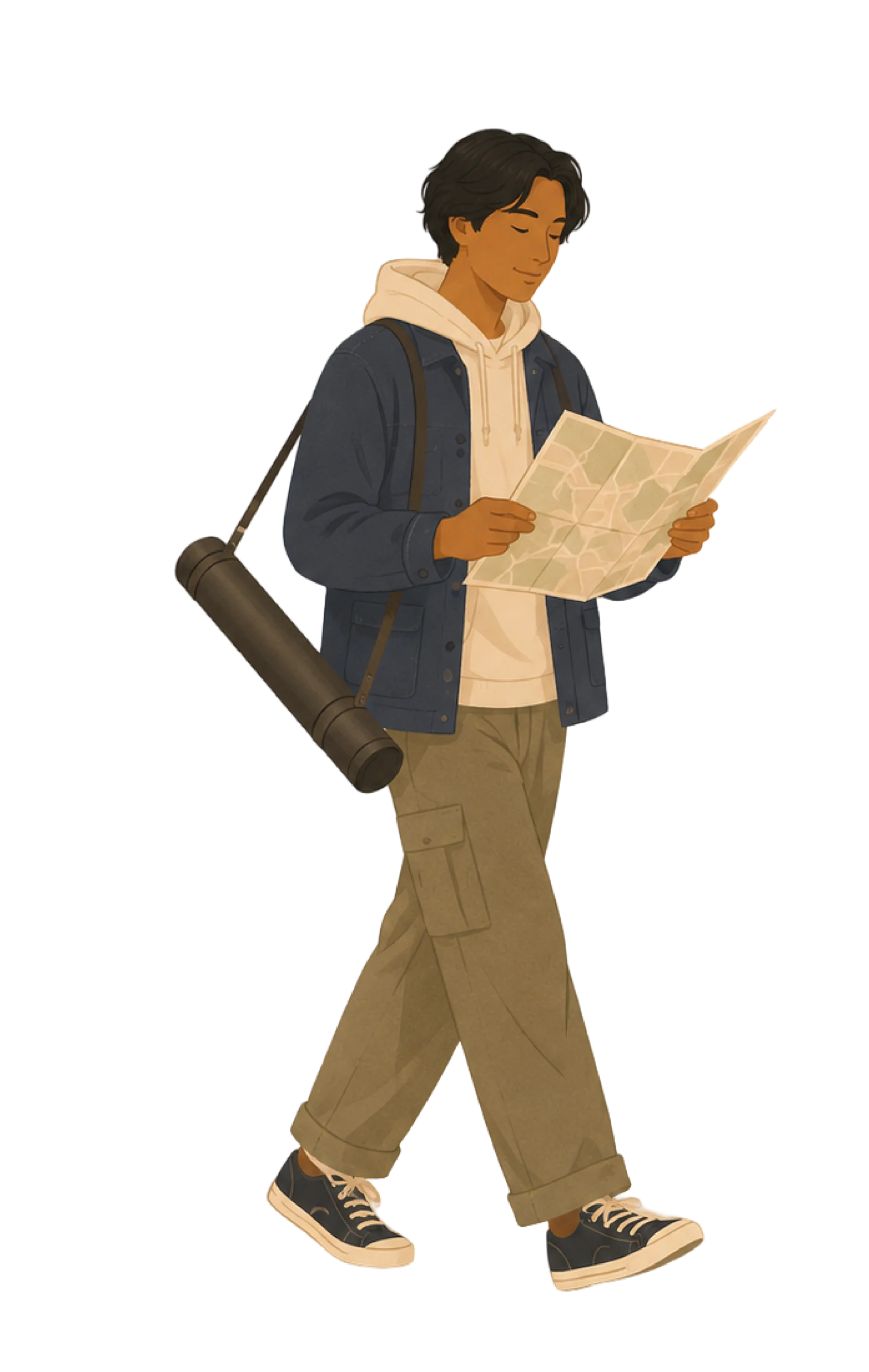
A more spacious self-description can begin in your notes. For it to become part of a life, it may need time, an agreement or someone’s help.
Choose a change you can explore, then see what it makes possible. The drawing is yours to revisit as you learn.

A description of yourself can shape what you expect to happen. The domain of perception lets you follow that expectation into the view it helps create. You can explore how one part of your inner world influences another.
Welcome to the I AWAKE universe. I'm Dawn and I'm your personal concierge. Ask me anything and I'll do my best to guide you in this space.