Meet what takes form before words
Explore an impulse or inner figure and the qualities you recognise through it.
Instinct & archetype


Perhaps a dream stays with you, or an impulse arrives before you can explain it. Your inner world includes more than the story you can tell about yourself.
The domain of instinct and inner patterns in The Hidden Hero’s Journey™ explores this less conscious life. Its landscape is Forest: a living territory with paths, shelter and movement already present. You begin to learn your way and notice where you can choose.

You can know a forest through the routes you take: the shelter you head for, the place you circle around, the sound that makes you stop. Some of that knowledge lives in movement before it becomes a thought.
Inner life also has familiar ways through. Noticing where they begin and what they lead towards helps you draw a map of something you have been living without fully seeing.
You can then ask where to follow, where to pause and where another route might be possible.
You notice a track before the creature, a movement before its source. Familiar paths make some places easy to reach while others remain out of sight.
A forest gives form to instinct, learned responses and qualities you meet through dreams or imagination. You can follow what becomes visible without explaining everything at once.
You can learn your way and change how you approach it. Its life still exceeds what you deliberately choose.
The Roots Are Listening is the planned nine-chapter deep dive into this territory. It explores how instinct, inner figures, learned paths and relationship take part in the making of experience.
Stories and imagined journeys are intended to work alongside psychological explanation and practical exploration. Work on the books is planned for 2027. The domain offers a place to begin now.
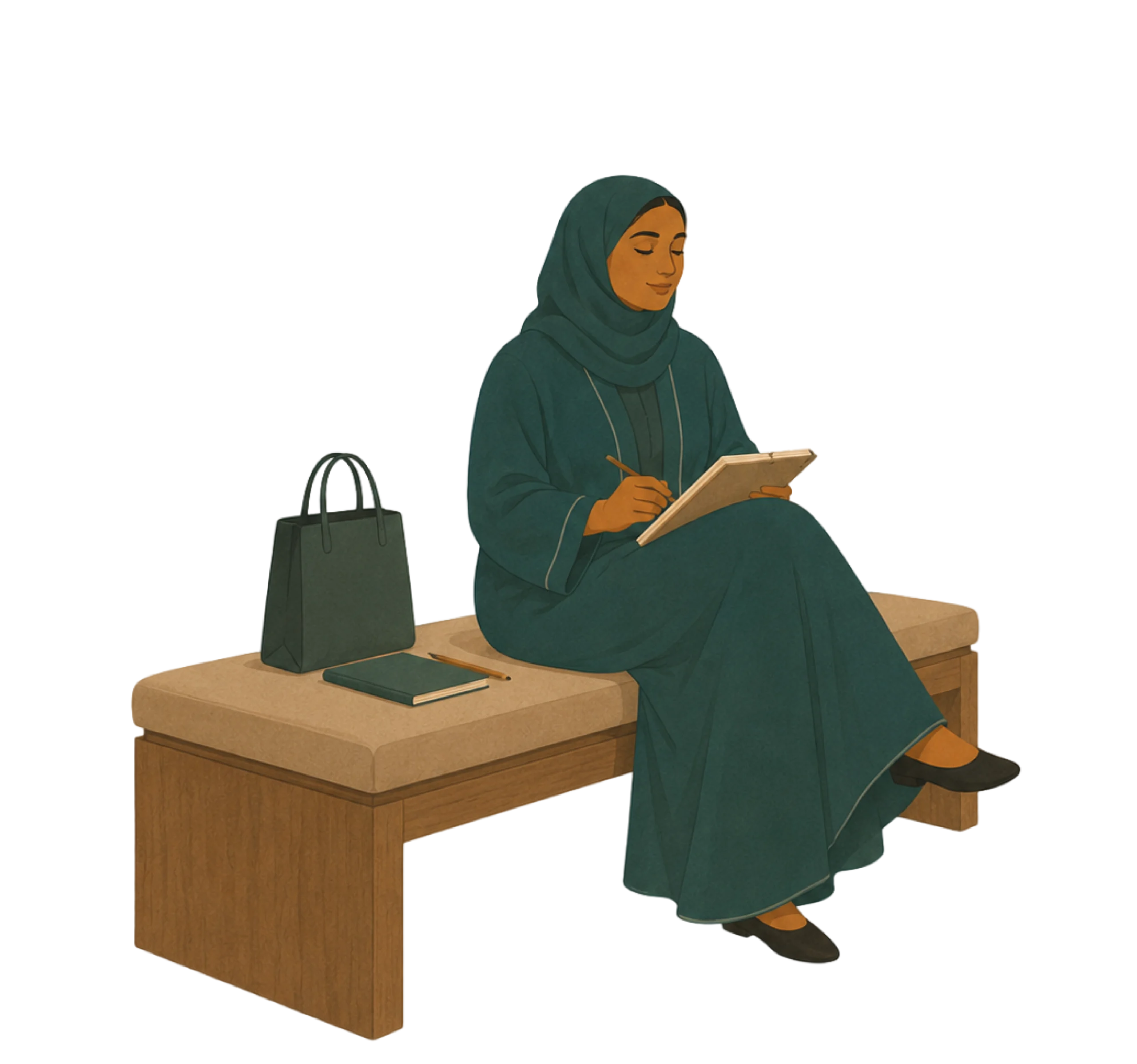
A watchful animal might help you recognise vigilance, patience or a wish for distance. Which quality seems present? How does it relate to your life?
The image gives you a way to meet an experience. It does not know another person’s intentions or prove what happened in your past. Keeping that distinction lets imagination stay rich and inquiry stay open.
Darling, you can become more familiar with your inner world without making everything in it obey you.
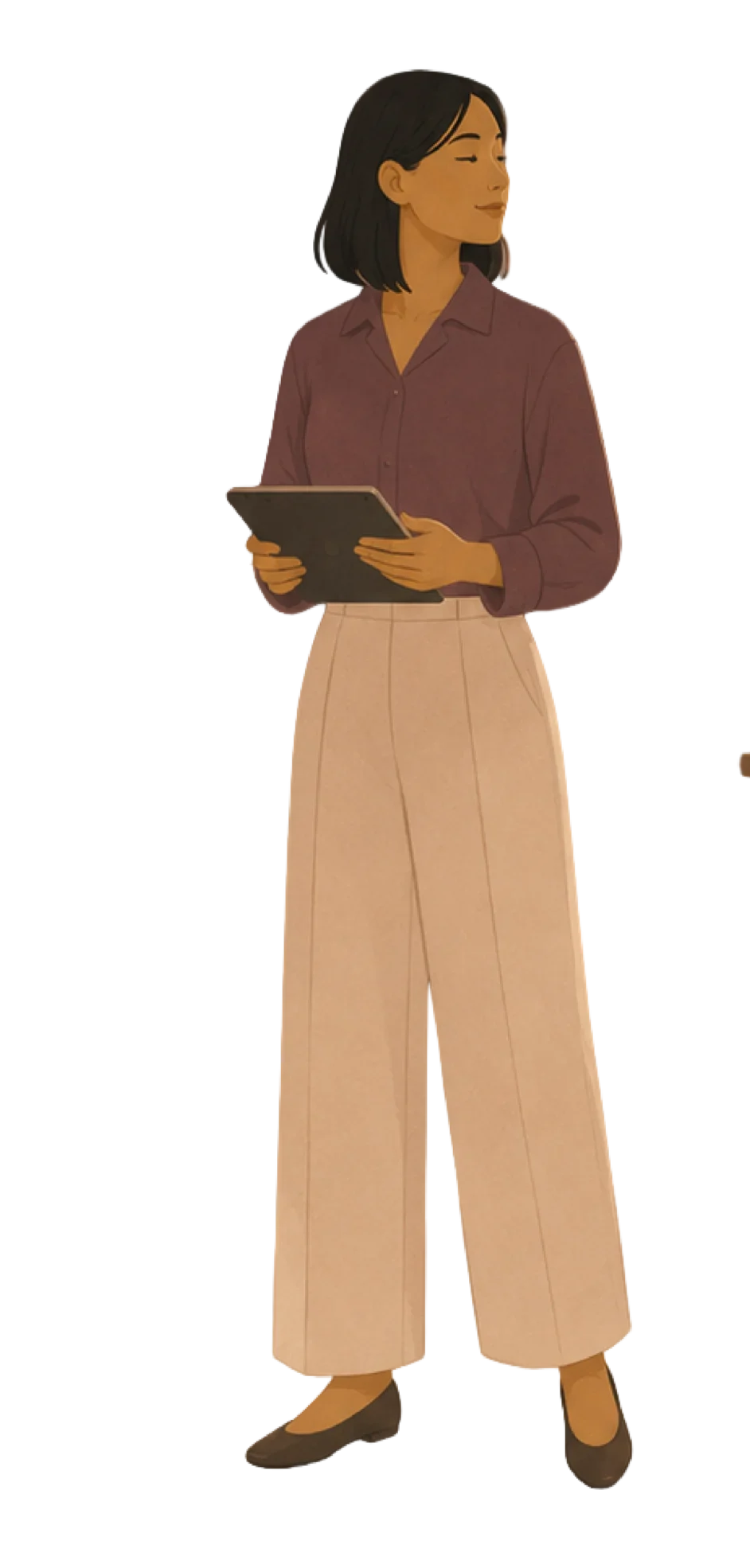

Begin with an experience you are curious about: an impulse, a recurring dream image or a response whose meaning is not yet clear. Choose something you feel willing to explore today. Describe it in your journal or notes before deciding what it means.
What can you actually remember or observe? For an everyday encounter, follow what came before, your response and what followed. For a dream, stay with the scene you remember, without treating it as a record of waking events. Write that first.
Then, separately, note the associations or images it brings. If a forest scene helps, sketch where there seems to be a path, shelter or something just beyond sight. Words work just as well as drawing.
Look at the map you have made. Which parts came from the experience, and which did you add while trying to understand it? Mark what remains unknown. Ask what another view might include.
Choose one question you would like to carry back into ordinary life. Perhaps you want to notice when a particular quality appears, or what helps you feel able to approach rather than withdraw. Decide what you could observe and what support you might need.
Close your notes, look around and return to your day. When you revisit the question, compare the map with what you discover. You are allowed to redraw it.

An impulse arrives. An image gives it a form. You consider how to respond. These capacities help you stay curious through those different moments, including where your first map needs another look.
Explore an impulse or inner figure and the qualities you recognise through it.
Instinct & archetypeNotice qualities and responses that sit outside your familiar account of yourself.
Shadow & hidden patternsConsider what you can choose while respecting what remains beyond your control.
Self-trust & agencyIn a forest, fungi and plant roots can exchange resources beneath the ground. The relationship is called mycorrhiza.
Here we borrow that image to explore support and influence we may not immediately see. Who restores you? Who carries the work? What passes through a relationship?
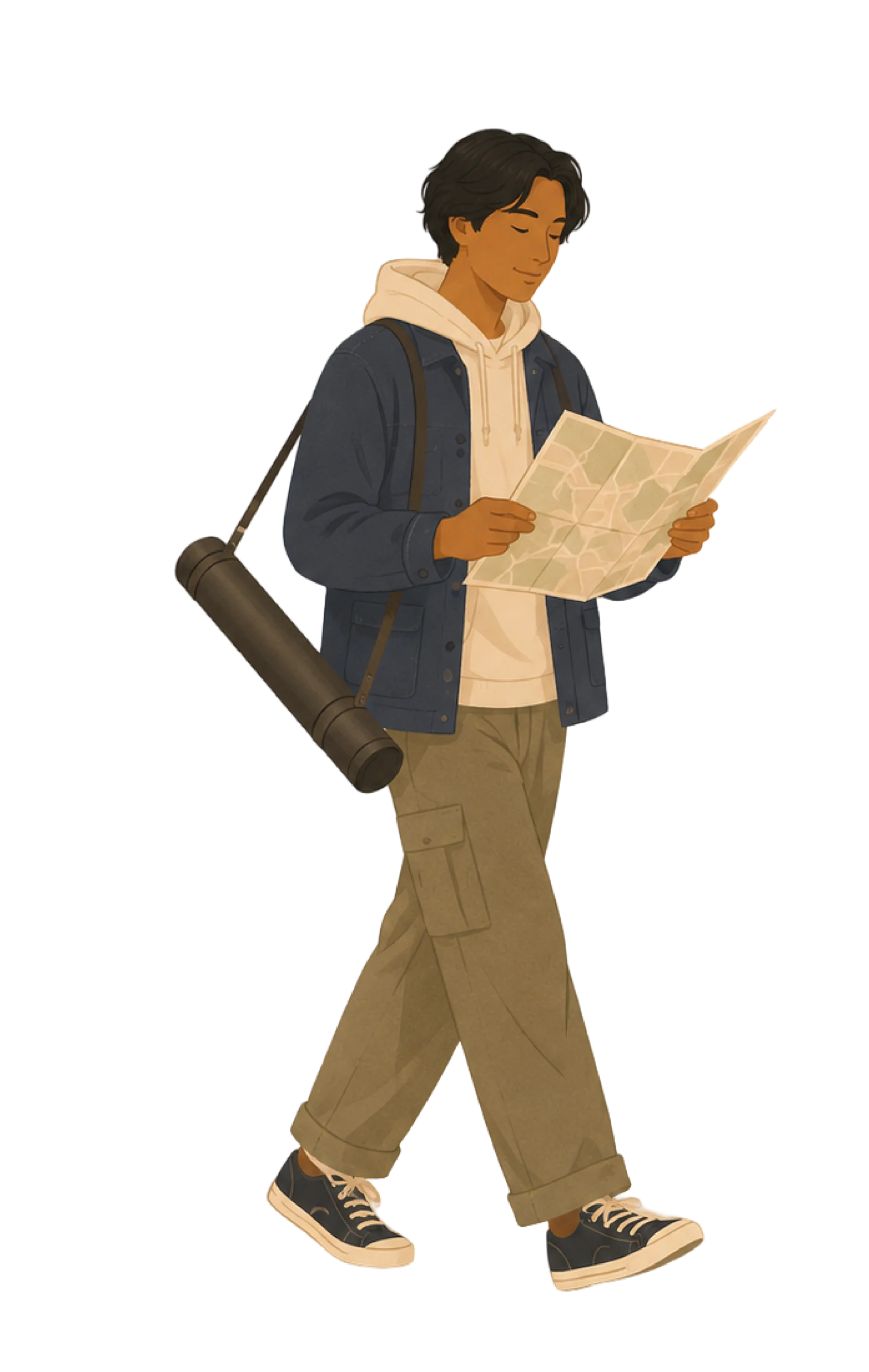
An image may suggest a question; an actual encounter can change the answer. Something you called danger may turn out to be unfamiliarity. Something you dismissed as an old fear may deserve a real boundary.
Keep both possibilities alive long enough to look. Becoming conscious of map-making includes letting your map be corrected by the world.

Your inner geography also takes shape through family, culture and shared histories. The domain of inheritance uses the ocean to explore these larger currents, including what you choose to carry forward.
Welcome to the I AWAKE universe. I'm Dawn and I'm your personal concierge. Ask me anything and I'll do my best to guide you in this space.